
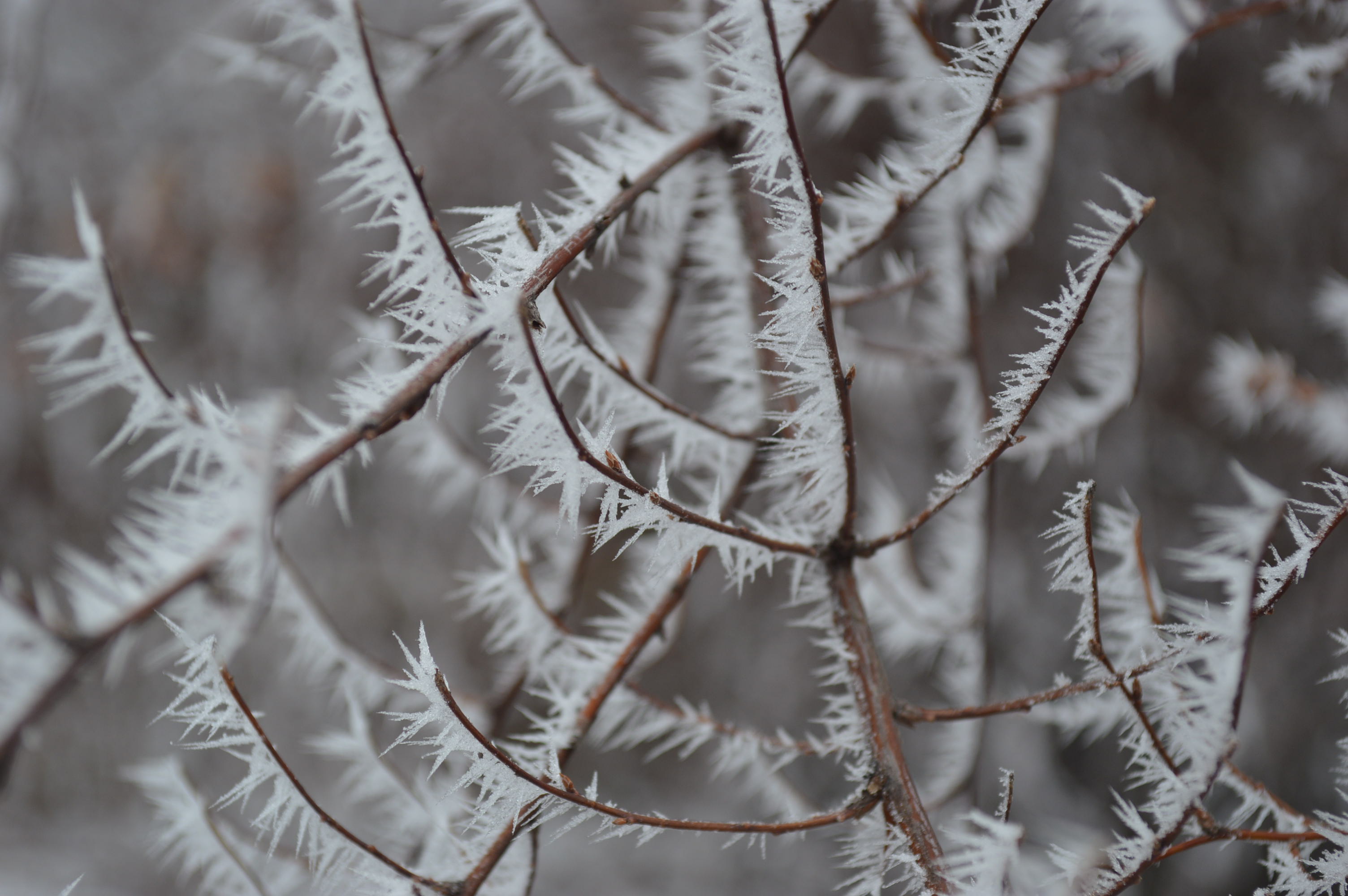
After record or near-record high temperatures earlier this week, Iowa could see its first frost this weekend.
Cedar Rapids tied a record high of 88 degrees on Monday, Oct. 12, 2026, with a more than 50-degree plummet predicted from that high by Saturday, Oct. 17.
Temperatures that morning could drop to 32 degrees, which could signify Iowa’s first frost of the season. Some parts of the state may experience a light frost, but a freeze — when temperatures dip below 32 degrees — is more damaging to plants.
The past few years, Iowa has escaped an early frost, with the freezing mark not reached until late October.
Gardeners who would like to safeguard their tender plants, such as tomatoes and peppers, or less hardy flowers, can cover them with a light sheet overnight and remove it during the day.
For a more sure bet, harvest the last of those crops, along with cucumbers and melons that are susceptible to cold temperatures. Green tomatoes will ripen indoors if kept unrefrigerated.
Plants in containers can be moved into a garage or porch where they will be protected, and returned outdoors once the chance for frost has passed.
Temperatures are expected to rebound next week into the 70s.
Tender perennials that are not cold-hardy in Iowa, such as cannas, need to be dug and stored indoors during the winter. Dig the canna rhizomes shortly after a hard, or killing freeze, allow to dry for a day or two and store in a box or mesh bag in a cool, dry location, such as a basement.
Vegetables such as kale, broccoli, Brussels sprouts, kohlrabi and cabbage are cold-hardy and can withstand a frost, and last later into the season in Iowa.
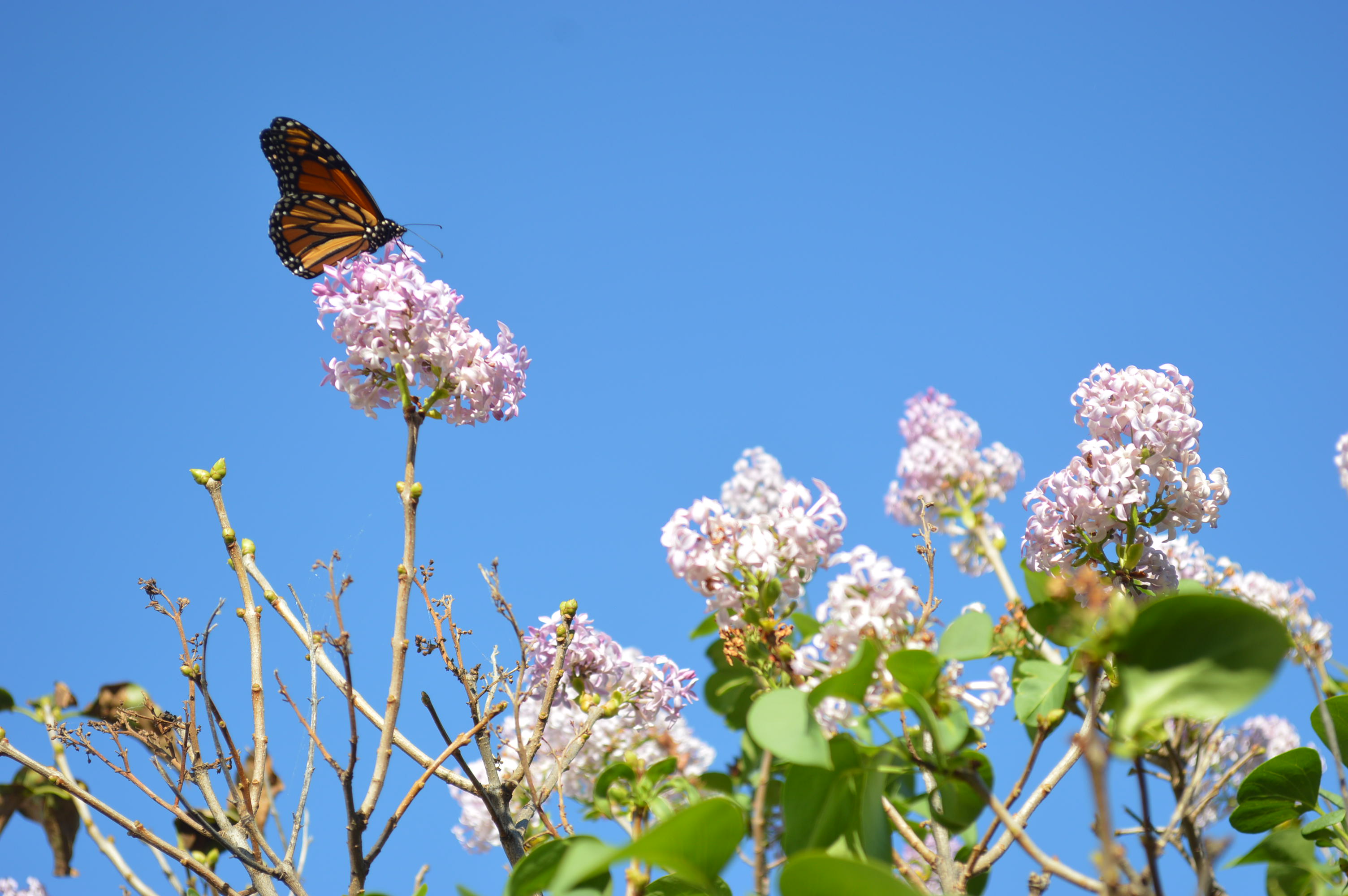
The state experienced an anomaly this year and the past few seasons with an Iowa gardening mainstay. Learn why lilacs are blooming out of season.
No Comments Yet