
CEDAR RAPIDS, Iowa — The Linn County Board of Supervisors addressed Google LLC’s abandonment of an agreement to fund a $500,000 water balance study, as the global tech behemoth instead pursues an agreement with Palo to build its planned $1 billion-plus data center.
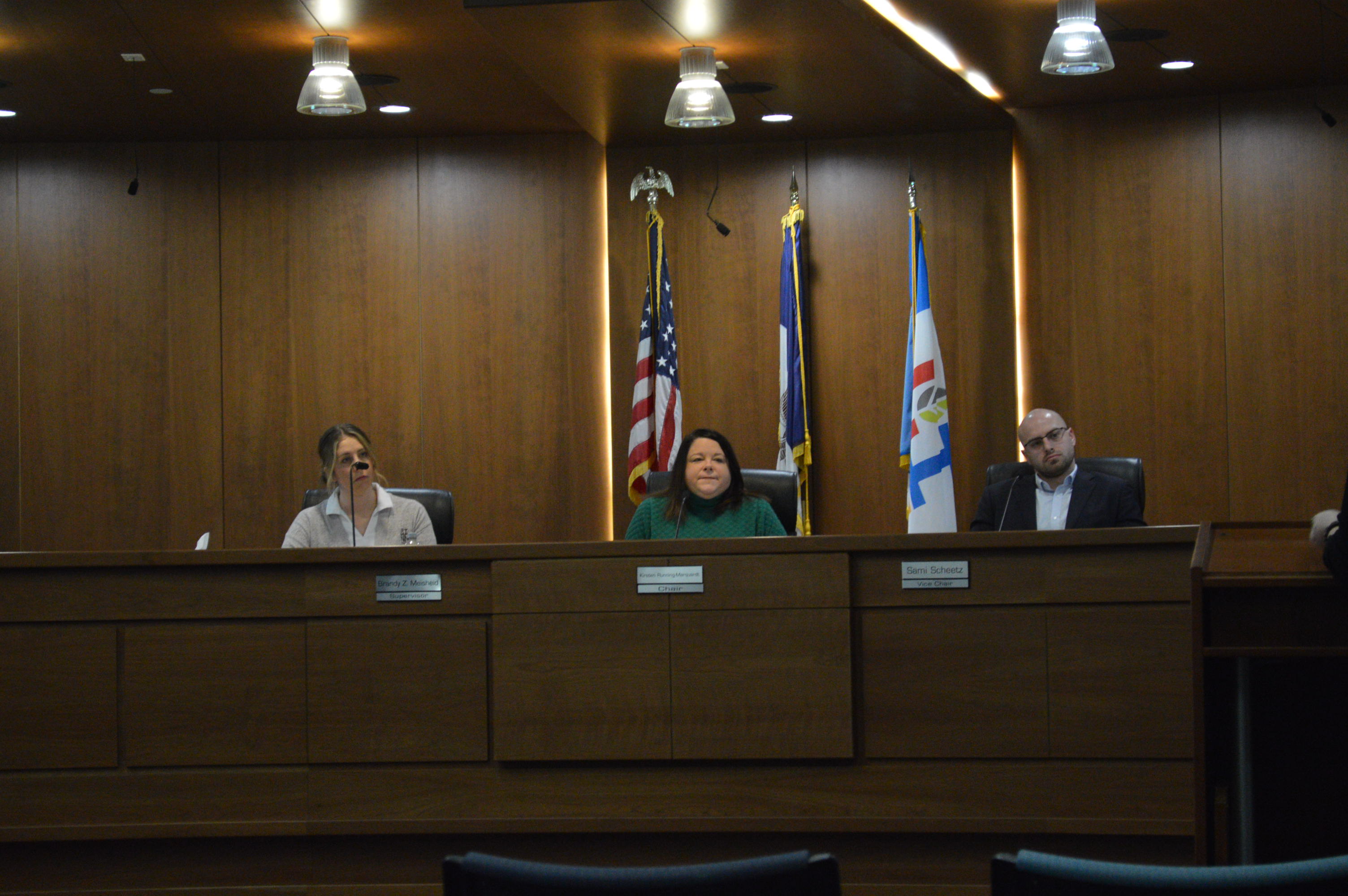
Supervisors responded to the news at their meeting March 4, 2026, noting that they have worked with Google in good-faith negotiations for months.
They were scheduled to receive an update on the water study at the meeting, but instead noted the county was informed by Google that the company will pursue annexation of its proposed 545-acre data center site into the city of Palo.
Sami Scheetz, Linn County Supervisor for District 2, said it appeared Google was trying to find a governmental body with fewer restrictions.
“Let’s be clear about what is happening here,” Scheetz said. “We negotiated in good faith. And Google’s response was to go find a local government that will ask for less. This is a multi-trillion dollar corporation pitting local governments against each other in a race to the bottom, seeking lower regulation and lower investment in our communities. That is fundamentally wrong.”
Board Chairwoman Kirsten Running-Marquardt said the water study was essential so Linn County residents would know their water supply is protected, as the data center would have extensive water demands.
“We invested significant time and resources to create an ordinance with strong protections for our residents and our water resources all while having Google – a trillion dollar company – pay their fair share,” she said. “We gave Google a clear, workable path to build. We were not trying to block this project. We believed in working together in a transparent process for both regional benefits and protections.”
Running-Marquardt said the comprehensive water balance study would ensure that a project of this magnitude – with significant long-term water consumption – would not jeopardize the region’s water resources.
Google agreed to fund the study, committing up to $500,000 to provide the independent, science-based analysis “that Linn County residents deserve before a project of this scale moves forward,” she said.
Linn County staff worked with Google’s team over several months to develop a data center zoning ordinance that ensured meaningful protections for Linn County residents while providing a workable regulatory path for the project, the supervisors noted.
They added that the county was unwilling to approve a project with this level of water demand without Linn County residents being assured their water supply is protected.
Google’s offer had included annual community development payments, a significant strategic partnership fund, environmental stewardship commitments and high-quality job creation.
The county provided this timeline: on February 26, 2026, Linn County staff informed Google that the Board of Supervisors was willing to formally consider acceptance of the economic terms as presented by Google.
That same day, Google informed the county that it will instead pursue annexation into the city of Palo.
Supervisors said the practical effect of the decision is that the project would no longer be subject to the regulatory framework in Linn County’s ordinance – including its water protections and the requirement for an independent water balance study – and the economic assurances with Linn County would no longer apply.
Brandy Meisheid, Linn County Supervisor for District 3, said she understands that Palo “sees an opportunity,” but hoped they would examine the regional impact.
“I truly understand that small towns are working to do what they need to remain strong and sustainable,” she said. “At the same time, our residents have shared that they value thoughtful safeguards and responsible growth. In Linn County, we worked hard to put reasonable protections and meaningful economic commitments in place. I encourage the city of Palo to consider a similar path so residents in all of our communities can feel confident their interests are being thoughtfully and responsibly protected.”

No Comments Yet